
Stepping onto Christmas Island in 2026 felt like peeling back a curtain on one of the Indian Ocean’s best-kept secrets. I had read about its dense rainforests, dramatic limestone cliffs, and hidden coves, but none of that prepared me for how alive and untamed the island feels. It was first sighted by Europeans in the 1600s and named on Christmas Day in 1643 by Captain William Mynors. Today, as an Australian external territory, it still feels wonderfully removed from the mainland rush.
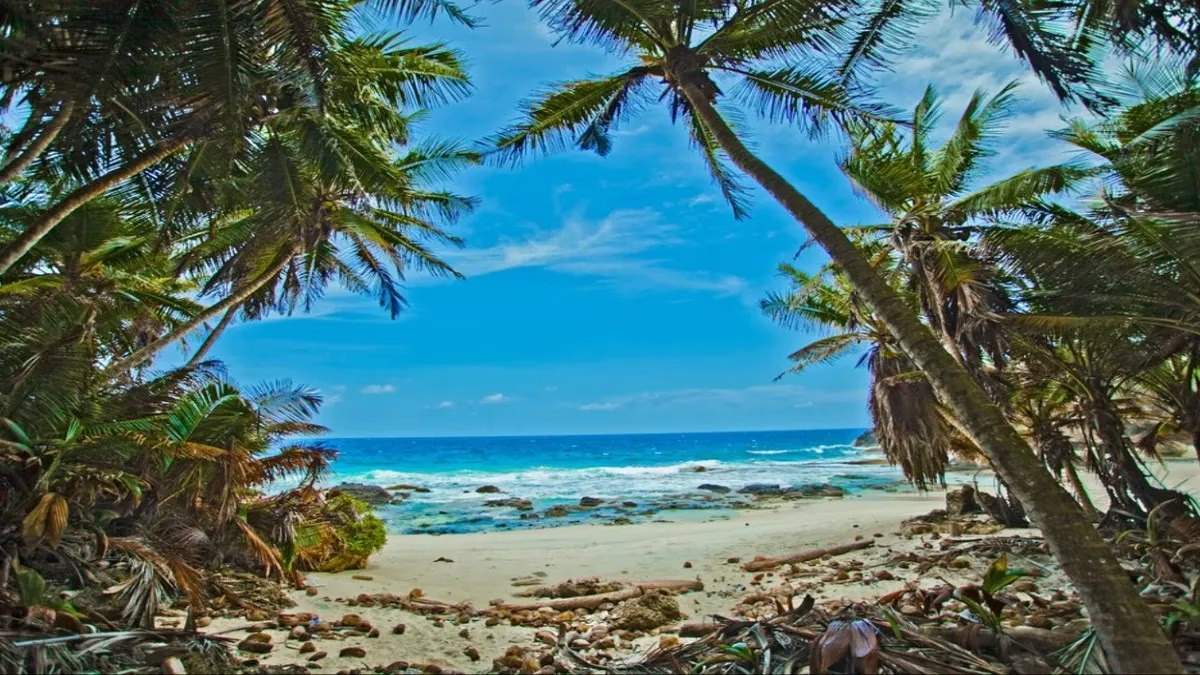
So what should you actually do once you arrive? Let me walk you through the experiences I believe define this remarkable place.
🌊 Chase the Roaring Blowholes
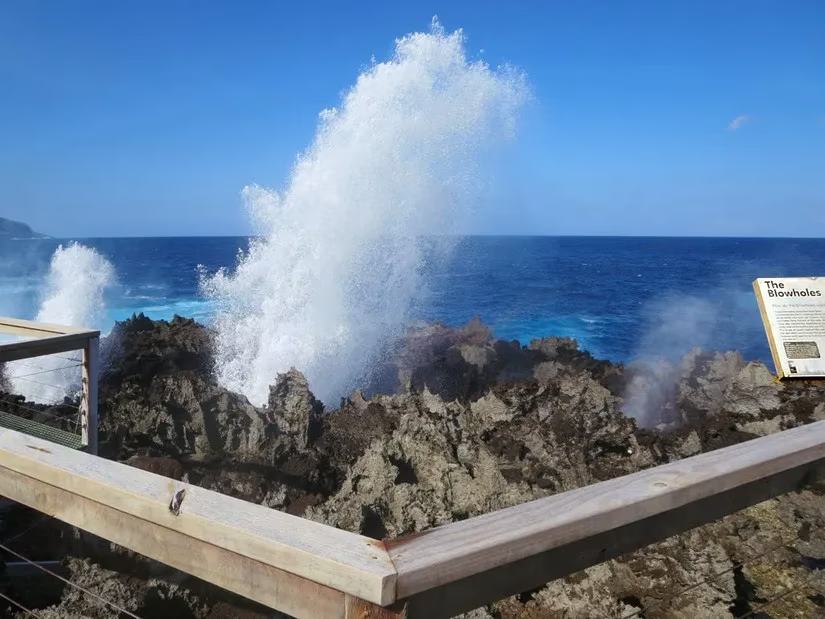
Have you ever heard the ocean breathe? On Christmas Island, the blowholes make that question feel oddly literal. These natural vents form because limestone and caves are porous. When the tide rises, water fills them from below and pressure forces dramatic jets into the air from openings at the top. I stood on the south-side boardwalk and felt the vibration through the timber while the sea shot upward with a loud whooshing sound. It was hypnotic.
🏙️ Explore Flying Fish Cove
Flying Fish Cove is the capital, but it feels more like a friendly seaside village than a capital city. I spent a slow morning walking its streets, chatting with residents, and browsing the Christmas Island Supermarket for souvenirs and everyday goods. For first-time visitors, the visitor information centre is a smart stop because it gives you a clearer picture of what is open, how to get around, and what seasonal events might be happening.
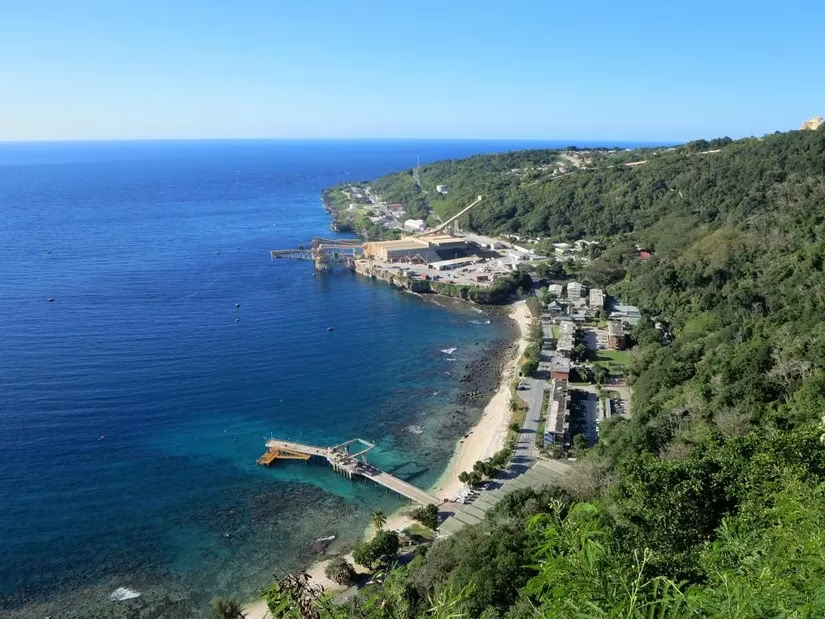
What surprised me most was how easy it was to slip into local life. A quick workout at the gym, a barbecue by the shore, and a wander through small shops carrying local crafts made me feel less like a tourist and more like a temporary resident.

🍜 Taste the Island’s Cross-Cultural Flavours
No visit would be complete without eating through the island’s mix of Australian and Asian flavours. I tried laksa soup and curry puffs at the Flying Fish Cafe, and both were rich, warming, and exactly what I wanted after a morning by the water. CI Bakery also won me over with fresh bread, egg rolls, donuts, and another batch of curry puffs because one helping was never going to be enough.
🌅 Find the Best Lookouts
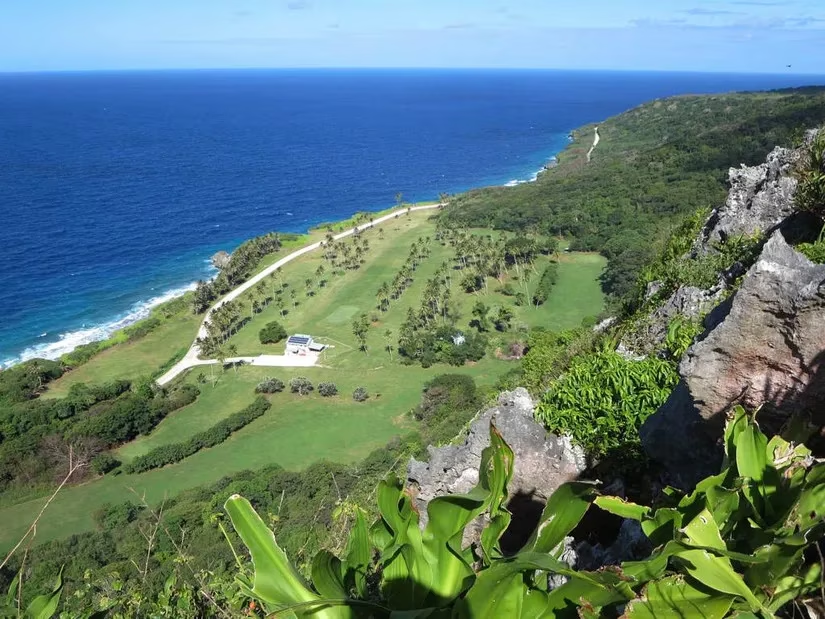
Some of my favourite moments happened while simply standing still and staring out from a lookout. From those elevated platforms, I could trace rainforest against limestone cliffs, watch the coastline curve into coves, and see the ocean stretch until it disappeared into haze. Territory Day Park Lookout, Golf Course Lookout, Martin Point Lookout, and Margaret Knoll Lookout each offered a slightly different mood, but all of them rewarded patience and a camera.
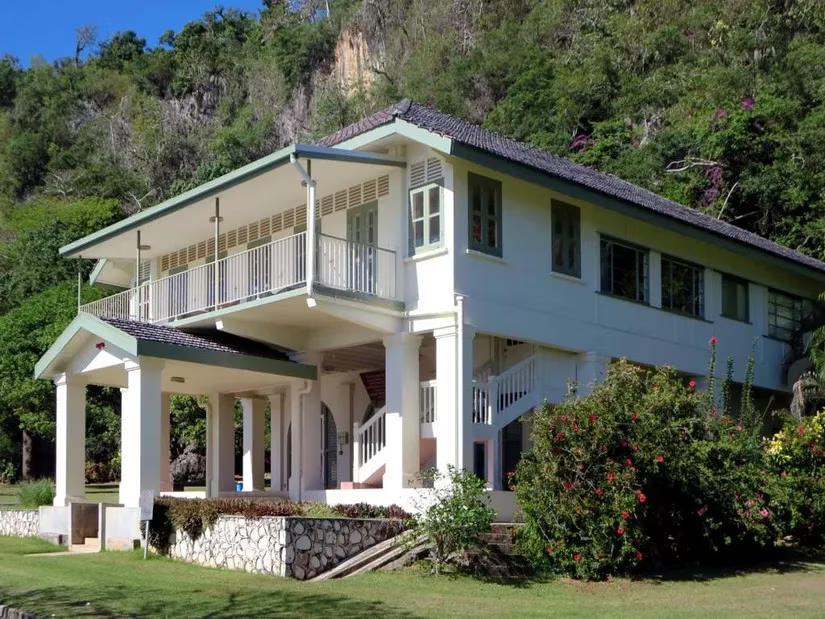
🏛️ Step Back in Time at Tai Jin House
If you are even slightly curious about the island’s past, Tai Jin House Museum deserves a spot on your itinerary. I found the relics, exhibitions, and guided tours genuinely useful for understanding how Christmas Island evolved. The museum also sits atop a cliff, so between history lessons I kept drifting toward the windows to look down at Flying Fish Cove and the Indian Ocean beyond.
💦 Hike to Hugh’s Dale Waterfall
The Dales region of Christmas Island National Park is wet all year, so Hugh’s Dale waterfall flows permanently. I took the short Hughs Dale Track, a 0.75 km walk that took me about 30 minutes at an easy pace. Along the way I spotted walking crabs and Tahitian chestnut trees, and the final view of water spilling through the greenery was worth every step.
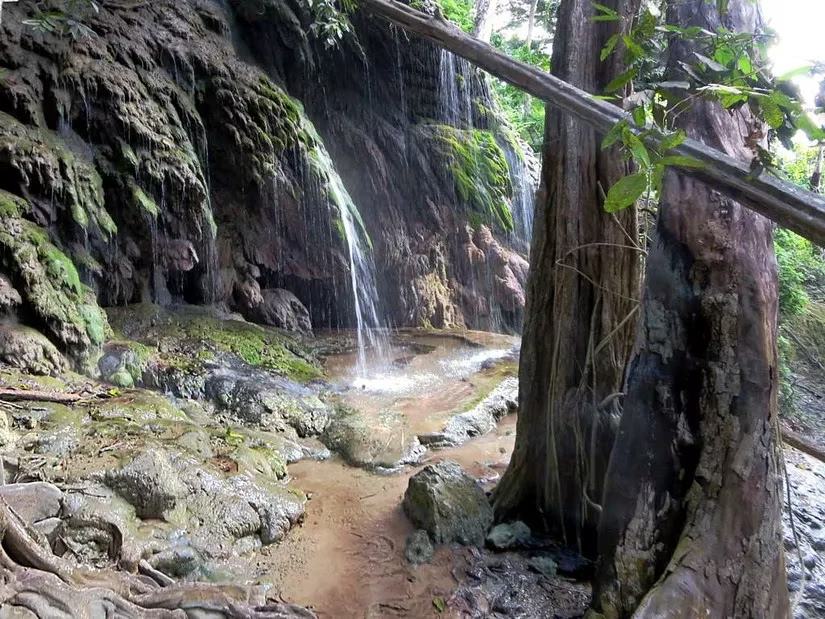
Here is a quick breakdown of that trail:
| Trail | Distance | Difficulty | Time |
|---|---|---|---|
| Hughs Dale Track | 0.75 km | Easy | Around 30 minutes |
🥾 Roam Christmas Island National Park
Christmas Island National Park covers around two-thirds of the island, and hiking is the main way to experience it. Martin Point Walk climbs to a cliff viewpoint where I watched one of the best sunsets I have ever seen. Territory Day Park, around 1 km long, was another easy walk through rainforest with coastal views. Inside the park I also found Dolly, Merrial, and Winifred Beaches, where sea turtle and crab sightings added to the excitement.
🦀 Witness the Red Crab Migration
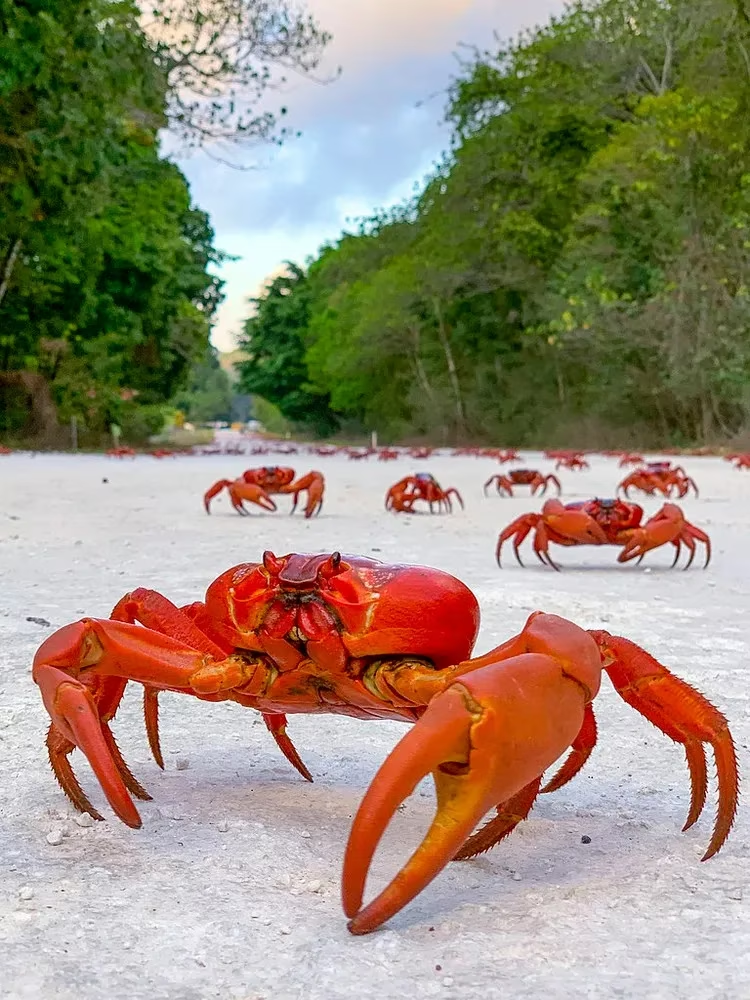
Where can you see millions of crabs move like a scarlet tide? Christmas Island hosts the largest diversity of land crabs anywhere in the world, and the red crab migration is the island’s greatest natural spectacle. If you visit around October when the wet season begins, you can watch millions of red crabs travel from the forest to the ocean to breed and release eggs. I was lucky enough to time my trip for it, and the sight genuinely felt like one of nature’s grand performances.
🏖️ Beach-Hop Between Coves and Cliffs
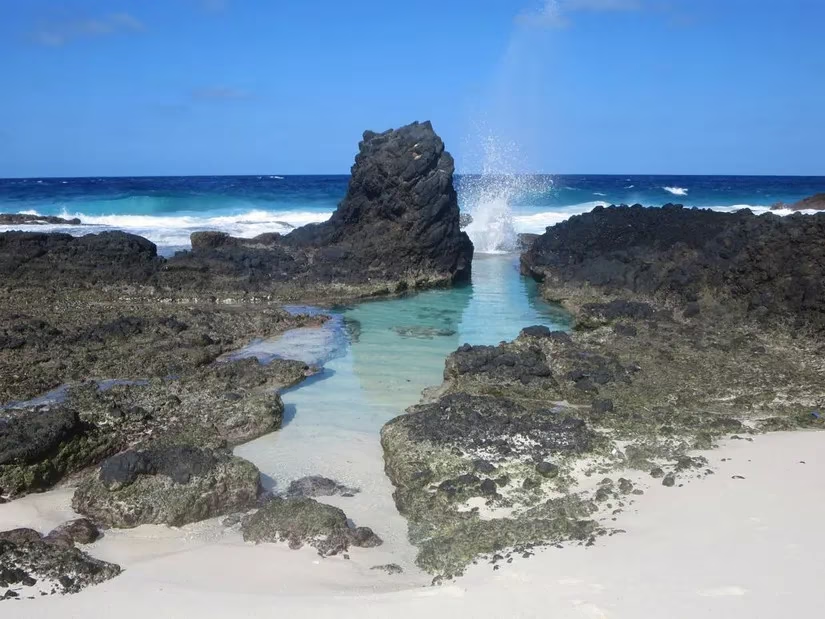
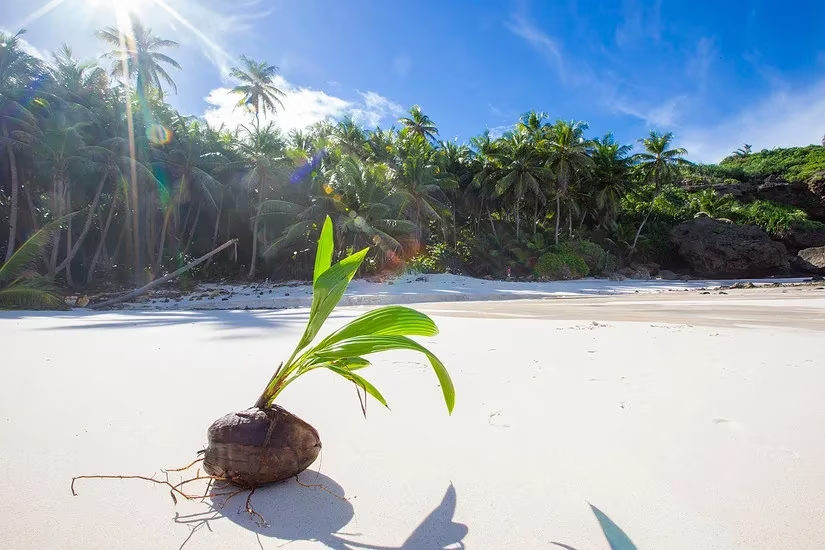
The beaches alone justify a trip. Christmas Island is filled with white sand beaches framed by cliffs and coves. I wandered across Lily Beach, Dolly Beach, Ethel Beach, Greta Beach, Flying Fish Cove, Winifred Beach, and West White Beach. Some were perfect for strolling and sunbathing, others for picnics and birdwatching, and a few had shallow rock pools and grotto pools where I could float without worrying about strong surf.
🤿 Dive into Flying Fish Cove
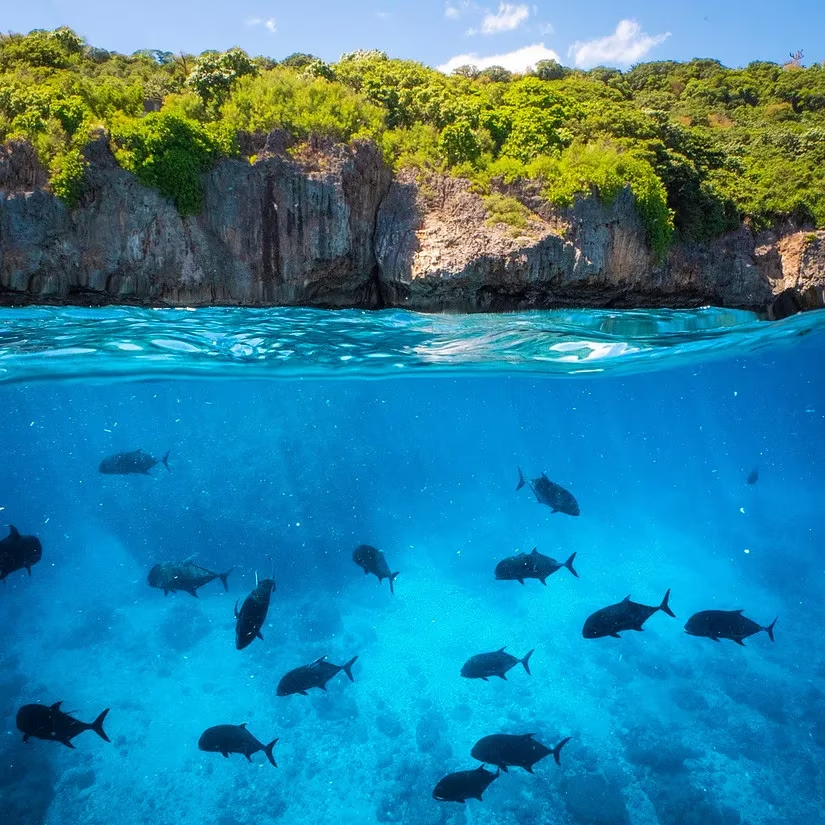
Would I spend a whole day in the water again? Absolutely. Flying Fish Cove is one of the best places for watersports on the island. With several dive sites nearby, I alternated between snorkelling, scuba diving, and swimming while dolphins and sharks moved through deeper water. When I needed a break from being fully submerged, paddleboarding and boat fishing were relaxing alternatives.
Christmas Island may be small, but it is packed with sensory extremes: roaring blowholes, scarlet crab rivers, dense rainforest, and quiet coves. If you are looking for a tropical escape that feels wild, welcoming, and entirely unlike a packaged resort holiday, this island should be high on your list.
Comments