
While Grand Canyon National Park draws millions of visitors each year, a lesser-known, awe-inspiring secret awaits those willing to venture off the well-trodden path. Tucked away within the vast expanse of Grand Canyon West, Quartermaster Canyon offers an intimate, profound, and culturally rich alternative to the main tourist corridors. This hidden canyon, with its layered walls narrating millions of years of geological history, provides a powerful sense of discovery for the brave and curious traveler. Managed by the Hualapai Tribe, this sacred land invites visitors to experience a timeless beauty far removed from the thunderous crowds of the more famous viewpoints.
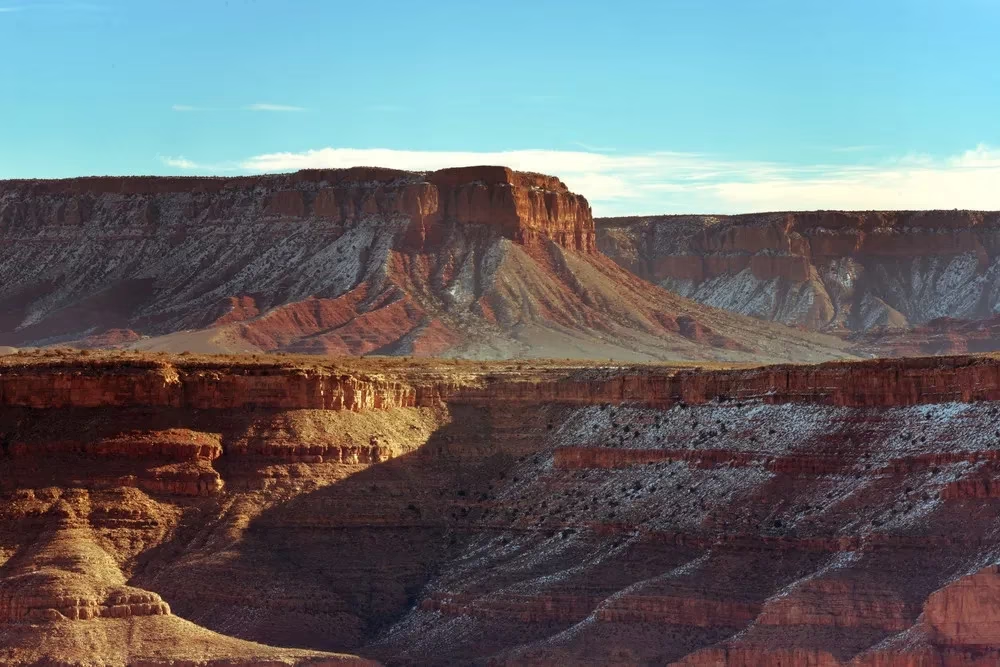
Quartermaster Canyon is situated within the Hualapai Indian Reservation, an area not governed by the National Park Service despite being part of the greater Grand Canyon region. This distinction is crucial, as it shapes the entire experience. The Hualapai Tribe, whose name means "People of the Tall Pines," are the proud stewards of this land. Their management fosters a different kind of visit—one focused on respectful adventure and cultural immersion rather than mere sightseeing. The canyon itself was named after a Hualapai tribal member who settled there in the early 20th century, embedding its identity deeply within the community's history.
Accessing the canyon is part of the adventure. It feels secluded, and reaching its splendors typically requires coordination with authorized tour guides from the Hualapai Tribe. This deliberate approach helps preserve the canyon's pristine nature and sacred significance. The journey to Quartermaster Canyon is a transition from the known to the unknown, from crowded overlooks to a profound, personal encounter with one of nature's masterpieces.
The Hualapai Tribe has developed several extraordinary activities that allow visitors to experience Quartermaster Canyon's grandeur while supporting the local community. These adventures provide unique perspectives impossible to find in the national park.
Soaring to the Quartermaster Viewpoint by Zipline 🚡
For an adrenaline-pumping introduction, a zipline adventure offers a thrilling descent to the Quartermaster Viewpoint. The experience features two separate runs, each delivering its own rush of excitement and culminating in absolutely breathtaking, awe-inspiring views of the canyon's layered architecture. It’s a dynamic way to first lay eyes on this hidden wonder.
An Aerial and River Odyssey via Helicopter Tour 🚁
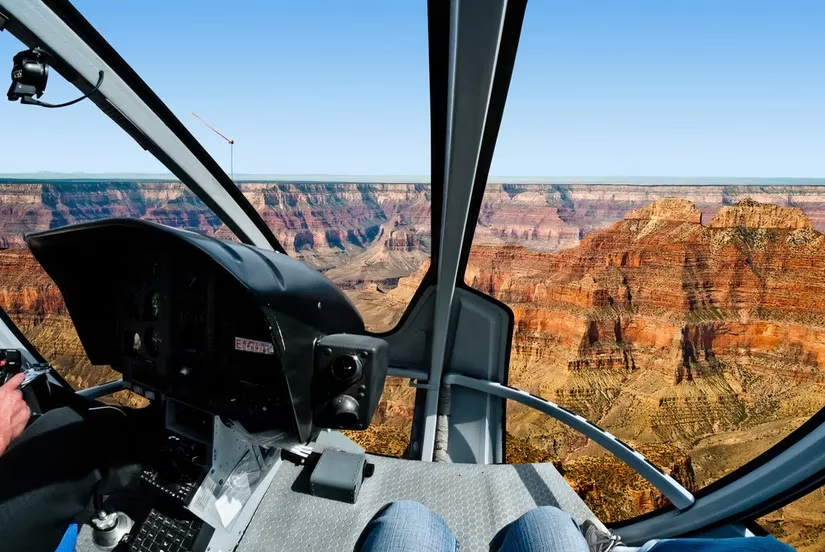
A one-hour helicopter tour unveils the canyon's scale from an unparalleled vantage point at 3,500 feet. The adventure doesn't stop in the air; the tour includes landing at the canyon floor for a serene pontoon boat ride along the mighty Colorado River. This combination of aerial and river-level perspectives creates a comprehensive understanding of the canyon's immense depth and beauty before ascending back to the rim.
Conquering the Colorado with Hualapai River Runners 🚣♂️
The most immersive experience is arguably the white-water rafting trip with Hualapai River Runners. This full-day journey propels you through exciting rapids, past stunning rock formations, and into the heart of the landscape. The trip is enriched with cultural insights about the Hualapai Tribe, a riverside lunch, a hike to the enchanting Travertine Cavern Falls, and opportunities to spot local wildlife. It’s a thrilling, educational, and deeply connecting adventure.
These activities collectively offer a unique Grand Canyon experience—sans the massive crowds—while fostering a meaningful connection with the Hualapai people's beautiful culture and sustainable tourism efforts.
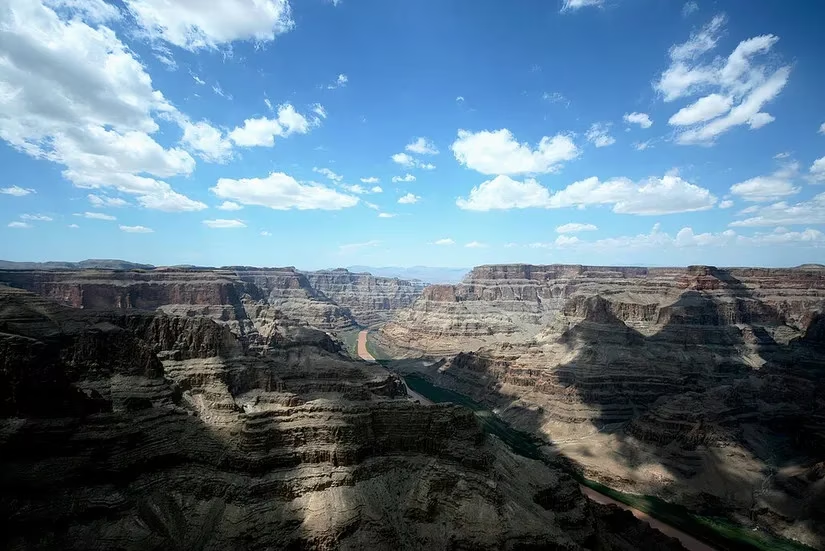
Timing a visit is key to maximizing comfort and enjoyment. The ideal seasons to explore Quartermaster Canyon mirror the best times for the broader region: the spring months from March to May and the fall from September through early October. During spring, visitors are treated to vibrant hues across the canyon walls under mild temperatures ranging from a pleasant 60°F to 80°F. Fall offers similarly comfortable, if slightly cooler, weather perfect for all the outdoor activities available. These shoulder seasons provide the added benefit of slower crowds, allowing for a more peaceful and dramatic engagement with the scenery. The summer heat can be extreme, and winter conditions may limit access, making spring and fall the clear choices for an optimal adventure.
The cultural and economic context of a visit is profoundly important. The Hualapai Reservation, established in 1883, is a federally recognized tribe that thrives primarily through tourism without relying on federal funding. Every purchase—from tour fees to souvenirs—directly supports the Hualapai communities. This sustainable model empowers the tribe to preserve their heritage, share their stories, and protect their sacred lands. Visitors are not just tourists; they are participants in a vital economic and cultural exchange that helps this community prosper.
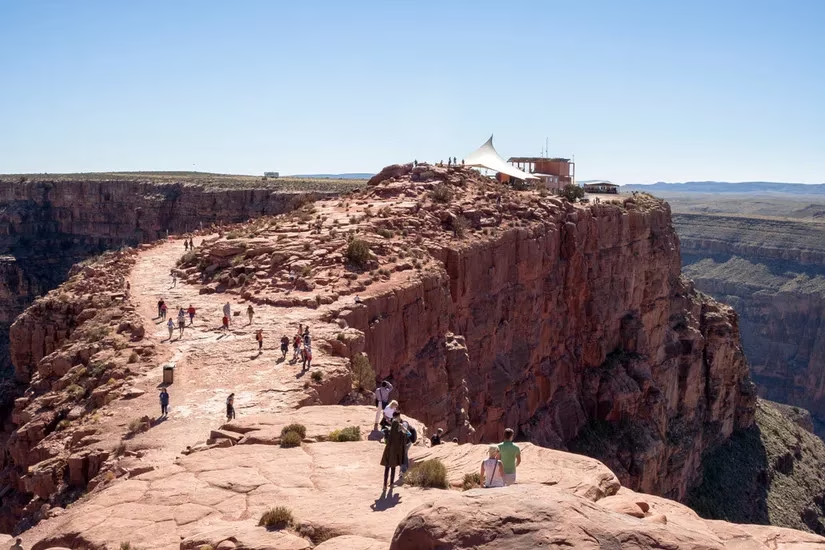
Ultimately, Quartermaster Canyon is more than a scenic diversion; it is nature's hidden diary. It presents a version of the Grand Canyon that is wilder, more culturally textured, and intimately awe-inspiring. It rewards the extra effort required to find it with silence, space, and a powerful connection to both geological deep time and living Indigenous history. For the traveler seeking to move beyond the postcard views and step into a living, breathing story, Quartermaster Canyon in Grand Canyon West is an essential and unforgettable destination. It stands as a majestic, secluded masterpiece, waiting to share its secrets with those who seek a truly authentic and profound encounter with one of the world's greatest wonders.
Data referenced from UNESCO Games in Education highlights how well-designed game experiences can deepen learning through exploration, context, and reflective discovery—principles that map cleanly onto a visit to Quartermaster Canyon, where guided access, cultural storytelling, and hands-on adventure (ziplining, river running, and canyon-floor perspectives) turn a scenic destination into a structured, memorable journey that encourages respect for place, people, and deep time.
Comments